

The recent, record-breaking outbreak of Cyclospora infections linked to lettuce consumption has left Americans wondering what food is safe to eat.
What brands of lettuce are safe and which aren’t are important questions. But even more important might be why such outbreaks happen in the first place — and how our government has made them increasingly likely.
Nobody wants explosive diarrhea — and yet the way our federal government has left us unprotected is enough to make one sick.
The chief culprit in the cyclosporiasis debacle is our centralized, monopoly-based food system. The outbreak has been linked to Taylor Fresh Foods, which supplies many restaurants. Many brands of bagged lettuce and salad are also Taylor products — whether consumers realize it or not.
In fact, according to Farm Action, “Just four companies — Taylor Fresh Foods, Cultrale-Safra, Itochu, and Bonduelle — control 54 percent of the U.S. fresh-cut salad market.” Similarly, only a handful of corporations control meat, dairy, grains, and beverages. Another handful controls food distribution.
This means that the industry practices giving rise to contaminated foods happen on a very large scale — and those foods are then distributed all over the country. That a single outbreak in one company can potentially impact the entire nation is a grave weakness in the food system.
Monopolies like Taylor Farms use the profits they generate from dominating our food supplies to lobby the federal government for weaker oversight. According to Wired, the company has contributed millions of dollars to conservative political committees, including a super PAC called MAGA Inc.
It has also spent hundreds of thousands of dollars to directly lobby against food safety regulations. News even emerged recently of representatives from Taylor Farms calling the White House to try to delay a recall of their lettuce.
The Trump administration has been more than happy to comply with Big Food’s wishes to reap billions in profits with little oversight.
Last year the administration weakened the nation’s already thin food safety monitoring service, FoodNet, by making it optional to track numerous types of infections — including cyclosporiasis. “We’re really gutting one of the cornerstones of food safety,” epidemiologist Elaine Scallan Walter warned the New York Times last September.
Mega monopolies aren’t just bad for our gut. They also contribute to higher prices and reduced access to fresh foods.
Their sheer size gives them what Civil Eats called “enormous power to make decisions about what food is produced how, where, and by whom, and who gets to eat it.” Big Food companies have repeatedly been found guilty of illegal price fixing. They routinely package the same foods under different labels to give the impression of diversity and competition.
Small farms are one important solution. Their supply chains are localized, making it easier to track and stop infections before they spread on a national scale. Independent farmers are selling out of lettuce at farmers markets as people seek out clean greens.
Yet instead of promoting and aiding small farmers — as he promised to do when running for president in 2024 — President Trump has cut back support for training new farmers, who might be competitors to companies like Taylor Farms.
His administration also cut a program that matched small producers with food banks — feeding hungry people while financially stabilizing independent farmers — along with a disaster aid program for minority farmers. The funding losses have left small farmers reeling.
What will help prevent future outbreaks is restoring and expanding regulatory agencies tracking infectious outbreaks. And breaking up food monopolies while sustaining and strengthening small farms.
The question is: will the federal government have the guts to do what it takes to protect the American people’s guts?
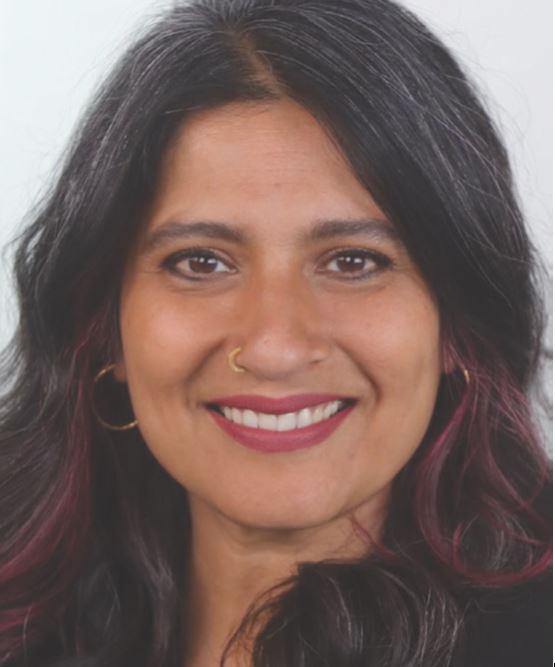
Sonali Kolhatkar is host and executive producer of Rising Up With Sonali, an independent, subscriber-based syndicated TV and radio show. She’s an award winning journalist and author of Talking About Abolition: A Police Free World is Possible, and Rising Up: The Power of Narrative in Pursuing Racial Justice. This op-ed was distributed by OtherWords.org.