


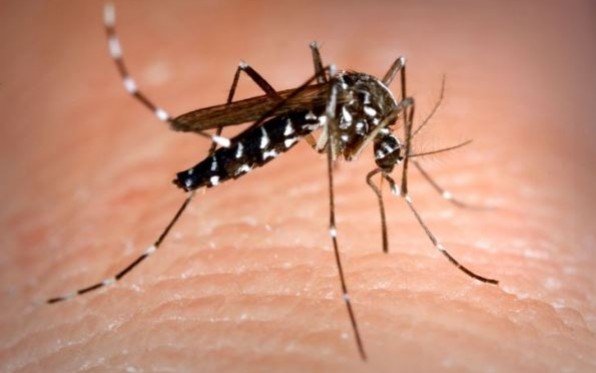
Summer is synonymous with fun outdoor activities like barbecues, lawn games, hikes, and gardening. But it can also mean unwanted pests like mosquitoes and ticks. Employing a few preventative strategies can help minimize the annoyance and reduce the risk of tick- and mosquito-borne diseases.
Start by creating a landscape that is less inviting to mosquitoes and ticks. Reduce mosquitoes’ daytime resting spaces by keeping your garden weeded. Removing weeds and managing neglected garden spaces will make your landscape less inviting to these pests.
Evaluate drainage patterns in your landscape. Improve drainage by amending the soil in garden beds with organic matter. Consider adding a rain garden to capture water run-off from the roof and hard surfaces, putting it to work in a garden filled with beautiful flowers for you and pollinators to enjoy. Water collected in these gardens drains within 24 to 36 hours and doesn’t provide a breeding ground for mosquitoes.
Drain water from toys, buckets or any object that can hold water and serve as a breeding ground for mosquitoes. Clear debris from gutters so the water flows freely through the gutter and out the downspout.
Change the water in birdbaths at least once a week. Make it part of your routine whenever you water container gardens. Or you can install a small pump to keep the water moving, which prevents mosquito breeding.
Toss a Mosquito Dunk (SummitResponsibleSolutions.com) in birdbaths, rain barrels and water features. This certified organic insecticide only kills the larvae of mosquitoes, black flies, and fungus gnats. It won’t harm bees, butterflies, birds, pets and people.
Help reduce the tick population in your landscape by keeping the grass mowed and removing brush, groundcovers, firewood piles, and bird feeders near your home or where your family frequents. Consider creating a tick-safe area where your family frequents, and limit time spent in tick-infested areas. Widen pathways, properly prune trees to increase light, exclude deer, and discourage rodents to reduce the risk of exposure. Place children’s swing sets away from the woods and cover the soil with woodchip mulch. Eliminate invasive barberry, honeysuckle, and buckthorn that create a tick-friendly habitat.
Wear light-colored clothing to more easily spot ticks before they move onto your skin. Loose fitting, light-colored clothing is also less attractive to mosquitoes. Wear long pants and tuck them into socks and tuck your shirt into your pants. Ticks often gain access through pant legs or shirttails and crawl up, looking for a place to settle in and feed.
Consider spraying your clothing with an insecticide labeled for repelling and killing ticks and mosquitoes. Select an insecticide spray like Summit® Green Armor Insect Repellent labeled for use on clothing. Read and follow label directions and let your clothing dry before wearing it.
Remove and check your clothing for ticks anytime you have been outdoors. Showering within two hours of spending time outdoors can greatly reduce your risk of Lyme and possibly other tick-borne diseases. Always conduct a tick check, paying special attention to your underarms, belly button, in and around your ears, hair, behind your knees, and around your waist.
Keep mosquitoes away when hosting a party, gardening, or relaxing outdoors. Use a fan to create a gentle breeze that keeps weak-flying mosquitoes away from you and your guests. Some gardeners even take a small fan into the garden while weeding.
Citronella oil and scented candles have some mosquito-repelling properties. Scatter the candles in outdoor spaces within a few feet where family and friends gather for some short-term relief.
A combination of these strategies will help minimize your exposure to these biting insects so you can better enjoy the outdoors this summer.
Melinda Myers’ website is www. MelindaMyers.com.