


As summer comes to an end, it’s time to prepare landscapes for fall and winter. Proper fall care helps increase plants’ winter survival, supports pollinators, and promotes the overall health, longevity, and beauty of a landscape.
Continue watering as needed. This is especially important for new plantings, evergreens and moisture-loving plants; but don’t overlook established trees. Drought stress makes plants, even established ones, more susceptible to life threatening insects and disease.
Remove weeds in gardens and mixed borders. Cooler temperatures and a shorter to-do list make it easier to squeeze in more time for this task. Eliminating weeds now means fewer weeds to pull next year.
Don’t pack away the mower just yet. Keep cutting the lawn as long as it keeps growing. Mow over fall leaves and leave them and grass clippings on the lawn. The short clippings and quarter-size leaf pieces add nutrients and organic matter to the soil. Just make a second pass with the mower, if needed, to cut the leaves down in size.
Put some of the fall leaves to work in gardens as a mulch. They insulate plant roots from temperature extremes, help suppress weeds, conserve moisture, and improve the soil as they decompose. Leaves also provide insulation and winter protection for a variety of beneficial insects, toads and frogs.
Start a compost pile by mixing fall leaves with other landscape trimmings. Don’t add invasive plants, aggressive weeds or those gone to seed. Leave insect and disease infested or chemically treated plant debris out of the pile. Don’t add fat, meat and other animal products that can attract rodents. Moisten and occasionally turn the pile to speed up the process. Soon it will be a wonderful soil conditioner to put back into the landscape.
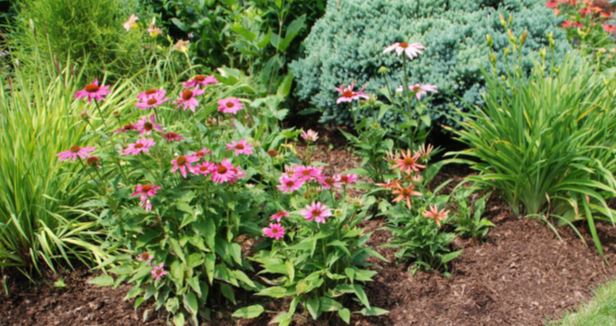
Leave healthy perennials stand for winter. Many provide motion, form and texture to the winter garden. This subtle winter beauty may not be as colorful as your summer garden, but it adds interest to what may be an otherwise drab winter landscape.
The standing perennials also support songbirds and beneficial insects. Seed heads of many perennials attract seed-eating songbirds, adding color and motion throughout the winter. They also provide winter homes and shelter for beneficial insects that pollinate plants, help manage insect pests and more.
Remove diseased plant debris and those infested with plant-damaging insects. Removing these from the garden reduces the source of future infestations which means healthier plants with less pest management required. Local municipalities can provide guidance on disposing of pest infested plant debris.
Wait for several hard frosts when cutting perennials back in the fall. This allows the plant to maximize energy produced and store it in the roots for healthy growth next spring. Make the cut two to three inches above the ground to avoid damaging the crown of the plant.
Protect plants and gardens susceptible to animal damage. A cylinder of hardware cloth at least four feet high sunk several inches into the ground can reduce the risk of rabbit, deer and vole damage. A five-feet-tall fence around small gardens, 8 feet by 13 feet or smaller, with a secure gate can reduce the risk of most critter damage.
If fencing isn’t a practical option, consider using repellent. Applying repellent before animals begin feeding provides the greatest success. Look for rain-and snow-resistant repellent, allowing gardeners to reapply less often.
Once fall landscape chores are complete, take time to clean, repair, sharpen and store tools for the winter and winterize the lawn mower. Move granular landscape care products to a dry place and liquids to a frost-free location. Store them in a secure location away from pets and children.
Take advantage of the often-cooler fall days to prepare gardens for winter. Time spent now can help reduce winter damage and save time as the next garden season begins.
Melinda Myers’ website is www. MelindaMyers.com.