


Lions Tigers & Bears has launched a new education initiative designed to give elementary school students something traditional science lessons that often lack real-world context. The Alpine-based sanctuary’s new NGSS Academic Field Trips program blends hands-on learning with conservation education, introducing students in kindergarten through fifth grade to rescued wildlife while meeting rigorous academic standards.
Developed in alignment with the Next Generation Science Standards and Association of Zoos and Aquariums (AZA) education guidelines, the two-hour program includes a guided sanctuary tour, structured learning stations, hands-on activities, and a conservation action reflection. The goal, according to Lions Tigers & Bears Founder and Director Bobbi Brink, is to move science learning beyond theory and into lived experience. The central part of the program is helping students understand the difference between accredited sanctuaries and other animal facilities. Lions Tigers & Bears is not a zoo; a distinction Brink says is essential for young learners to grasp.
“Understanding that difference is critical,” Brink said. “A true, accredited sanctuary exists solely for the animals. It does not breed, sell, trade, or exploit animals for entertainment. Many facilities look educational on the surface but still profit from animal handling or breeding. We want students to learn how to recognize ethical animal care and understand why accreditation matters. This knowledge empowers them to make informed choices and supports a future where animals are treated with dignity, not as commodities.”
By aligning the curriculum with state and national standards, the sanctuary aims to ensure the experience is both engaging and academically relevant. Brink said that standards-based design makes the field trips easier for teachers to incorporate into classroom instruction.
“Alignment ensures that the experience isn’t just inspiring, it’s academically meaningful,” she said. “By meeting NGSS and AZA guidelines, teachers can confidently integrate the field trip into their curriculum, knowing it supports classroom objectives. For students, it reinforces scientific inquiry, critical thinking, and evidence-based learning. For educators, it becomes a trusted extension of their lesson plans rather than a standalone outing.”
For many students, the most lasting moments come when they encounter rescued animals for the first time and learn their individual stories.
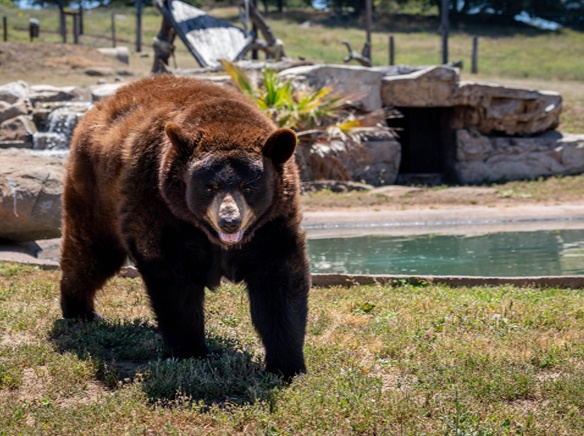
“The moment students realize these animals have names, histories, and personalities is incredibly powerful,” Brink said. “Hearing that an animal was rescued from abuse or illegal ownership and now lives safely creates empathy instantly. Watching a lion relax in the shade or a bear engaged with enrichment helps students understand that animals have emotional and physical needs, just like we do. Those moments stay with them.”
The program also emphasizes reflection and personal responsibility. Students are encouraged to think about how their own choices impact wildlife and conservation efforts.
“We hope students leave understanding that their choices matter,” Brink said. “Whether it’s saying no to wildlife entertainment, supporting ethical conservation, or simply sharing what they learned with their families, small actions add up. Most importantly, we want them to feel empowered, not overwhelmed.”